Why Nutraceutical Pet Treats Are Changing How We Care for Our Dogs and Cats
@nutraceuticalpettreatsspark
I have been working with pet owners and veterinary nutrition professionals for over a decade, and in that time I have watched the pet supplement market evolve from a dusty shelf of unappetizing tablets into something far more thoughtful. The shift toward functional treats has been one of the most practical developments I have seen. Instead of trying to hide a pill in a spoonful of peanut butter, owners can now offer a daily chew that actually tastes good and delivers real benefits. That is where nutraceutical pet treats come in. These are not just snacks. They are treats formulated with specific compounds that target joint health, digestion, skin condition, and even anxiety relief.
The idea is simple: combine the reward of a treat with the science of a supplement. But pulling that off well requires more than just mixing active ingredients into a base of flour and flavoring. It demands an understanding of how those compounds survive processing, how they are absorbed by the animal, and how to dose them safely over the long term. I have seen products fail because the manufacturer loaded them with glucosamine and chondroitin but used a recipe that degraded those compounds during baking. The pet ate the treat, but very little of the active ingredient made it into the bloodstream.
What Sets a Nutraceutical Treat Apart from a Regular Supplement
Standard pet supplements often come as pills, powders, or liquids. They work, but they depend on the owner being able to administer them consistently. Many dogs and cats figure out how to avoid a pill within a few days. A nutraceutical pet treat solves that compliance problem by making the dose part of a positive experience. The animal sees it as a reward, not a chore. That matters because the best supplement in the world does nothing if it stays in the bottle.
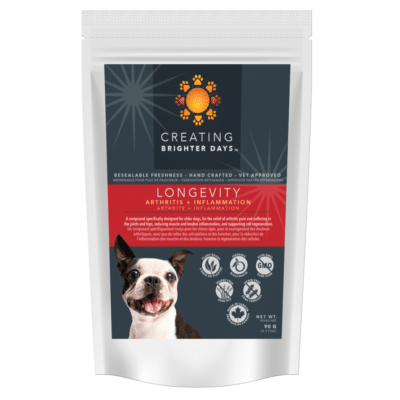
Most of the quality nutraceutical treats on the market today combine several active ingredients into a single formula. A typical joint-support treat might include glucosamine, chondroitin, green-lipped mussel powder, and a source of omega-3 fatty acids like salmon oil. The green-lipped mussel is particularly interesting because it provides a broad spectrum of fatty acids plus natural anti-inflammatory compounds. I have spoken with veterinarians who recommend it specifically for dogs with hip dysplasia, a condition where the joint malformation causes chronic pain and stiffness. Adding a functional treat to the management plan can make a noticeable difference in the dog's mobility and comfort over several weeks.
Another common category is the daily probiotic chew. Probiotics are live microorganisms that support gut health, but they are fragile. A well-made nutraceutical pet treat uses a protective coating or a spore form to keep the bacteria alive through the shelf life and through the stomach. I have tested a few brands that claim to contain probiotics, and the difference between a product that works and one that does not often comes down to the manufacturing process. If the treat is baked at high heat without a protective step, the probiotics are dead before they reach the bag.
Ingredients That Show Up Again and Again in Effective Formulas
When I look at a functional treat formula, I check for a few key ingredients that have strong evidence behind them. Turmeric is one. It contains curcumin, a compound with well-documented anti-inflammatory properties. The catch is that curcumin is poorly absorbed on its own, so a good formula will include a black pepper extract or a fat source to improve bioavailability. Hemp seed oil is another ingredient that has gained traction recently. It provides a balanced ratio of omega-3 and omega-6 fatty acids without the strong fishy odor that some dogs dislike. For owners who prefer plant-based options, hemp seed oil can be a good alternative to salmon oil.
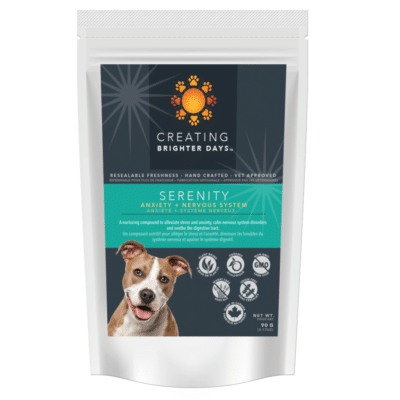
Antioxidants also play a major role, especially in treats marketed for senior pets or for general immune support. Blueberry extract, vitamin E, and astaxanthin are common. I have seen formulas that combine antioxidants with CBD for a dual approach to inflammation and anxiety relief. The CBD is usually sourced from hemp and is non-psychoactive, so it does not produce a high. What it can do is help calm a nervous dog during thunderstorms or separation events. That combination of CBD with other calming compounds like L-theanine or chamomile is becoming more popular in nutraceutical pet treats designed for anxiety relief.
Dental Chews and the Challenge of Oral Health
Dental chews are a separate but related category. They focus on mechanical cleaning and breath freshening, but some also include enzymes or probiotics that target oral bacteria. A good dental chew will have a texture that scrapes the teeth while the dog chews, and it may include ingredients like kelp or green tea extract to reduce plaque formation. I have found that dental chews work best when used as part of a routine that also includes brushing, but they are far better than doing nothing. For dogs that resist toothbrushing, a daily dental chew is a practical compromise.
The challenge with dental chews is balancing hardness with digestibility. If a chew is too hard, it can fracture a tooth. If it is too soft, it does not clean. The best products use a baked or dehydrated texture that is firm but still breaks down in the stomach. I always advise owners to supervise their pets the first few times they try a new dental chew, especially with aggressive chewers.
The Role of Organic Ingredients and Sourcing
More owners are asking about organic ingredients, and that is a reasonable concern. Pets are smaller than humans, so they can be more sensitive to pesticide residues and synthetic additives. A nutraceutical pet treat that uses organic ingredients for its base components, like oats, flaxseed, or peanut butter, reduces the overall toxic load on the animal. That said, organic certification adds cost, and not all organic treats are superior. I have seen organic treats with poor formulation that delivered almost no active ingredient. The label is not a substitute for good science.
Sourcing matters for the active ingredients too. Salmon oil from wild-caught fish tends to have a better fatty acid profile than oil from farmed fish. Green-lipped mussel powder should come from New Zealand, where the mussels are grown in clean waters and processed at low temperatures to preserve the active compounds. A manufacturer that can trace its ingredients back to the source is usually more trustworthy than one that buys bulk powders from a broker.
What to Watch for When Choosing a Product
I recommend that owners look for a few specific things before buying a functional treat. First, check the dosage. A treat that contains glucosamine but only 50 milligrams per piece is unlikely to help a large dog with joint pain. The label should list the amount of each active ingredient, and that amount should be meaningful for the animal's weight. Second, look at the ingredient list order. Ingredients are listed by weight, so if a treat lists a cheap filler like wheat flour before the active compounds, the actual dose of those compounds may be very low.
Third, consider the treat's calorie density. Many functional treats are higher in calories than regular treats, and they are often given daily. Over a few months, those extra calories can lead to weight gain, which worsens joint issues and other health problems. I have seen owners give a joint chew every morning while also feeding a high-calorie diet, and the dog ends up heavier and in more pain. The treat should fit into the pet's total daily calorie budget. Some manufacturers now offer low-calorie versions of their functional treats, which is a helpful option for pets that need to lose weight.
Fourth, look for third-party testing or certification. The pet supplement industry is not as tightly regulated as human supplements, so quality varies widely. A company that sends its products to an independent lab for potency and purity testing is showing a level of accountability that not all brands share. Kushstation.co, for example, emphasizes transparency in its sourcing and formulation, which is the kind of approach I appreciate as a buyer and as a professional.
Practical Experience with Different Types of Functional Treats
I have used nutraceutical pet treats with my own dog, a Labrador mix who started showing stiffness in her hips around age eight. We tried a glucosamine and chondroitin chew combined with green-lipped mussel powder. Within about three weeks, I noticed she was jumping onto the couch again without the hesitation she had shown before. The change was subtle but real. I also added a probiotic treat to her evening routine, and her digestion improved noticeably. She had always been prone to loose stools after stress, and the probiotics helped stabilize her gut.
For anxiety relief, I have recommended treats that include CBD and L-theanine to several clients whose dogs struggle with fireworks. One client reported that her rescue dog, who usually hid under the bed during thunderstorms, stayed on the couch and rested his head on her lap after taking the treat. That is anecdotal, but it matches what I have seen in clinical settings. The combination of CBD with other calming compounds seems to produce a more reliable effect than CBD alone.

I have also seen cases where functional treats were not the right answer. For a dog with advanced kidney disease, any treat with added protein or phosphorus could do harm. In that situation, a plain, single-ingredient supplement in powder form is safer. Every animal is different, and a good veterinarian should always be part of the decision, especially when the pet has a chronic condition.
The Future of Functional Treats
The category is growing fast, and I expect to see more species-specific formulas, more focus on microbiome health, and better delivery systems that protect fragile ingredients. The pet owner of today is more informed and more willing to spend on prevention than on treatment. Nutraceutical pet treats fit that mindset perfectly. They turn a moment of bonding into a moment of healthcare, and they do it in a way that the pet actually enjoys.